
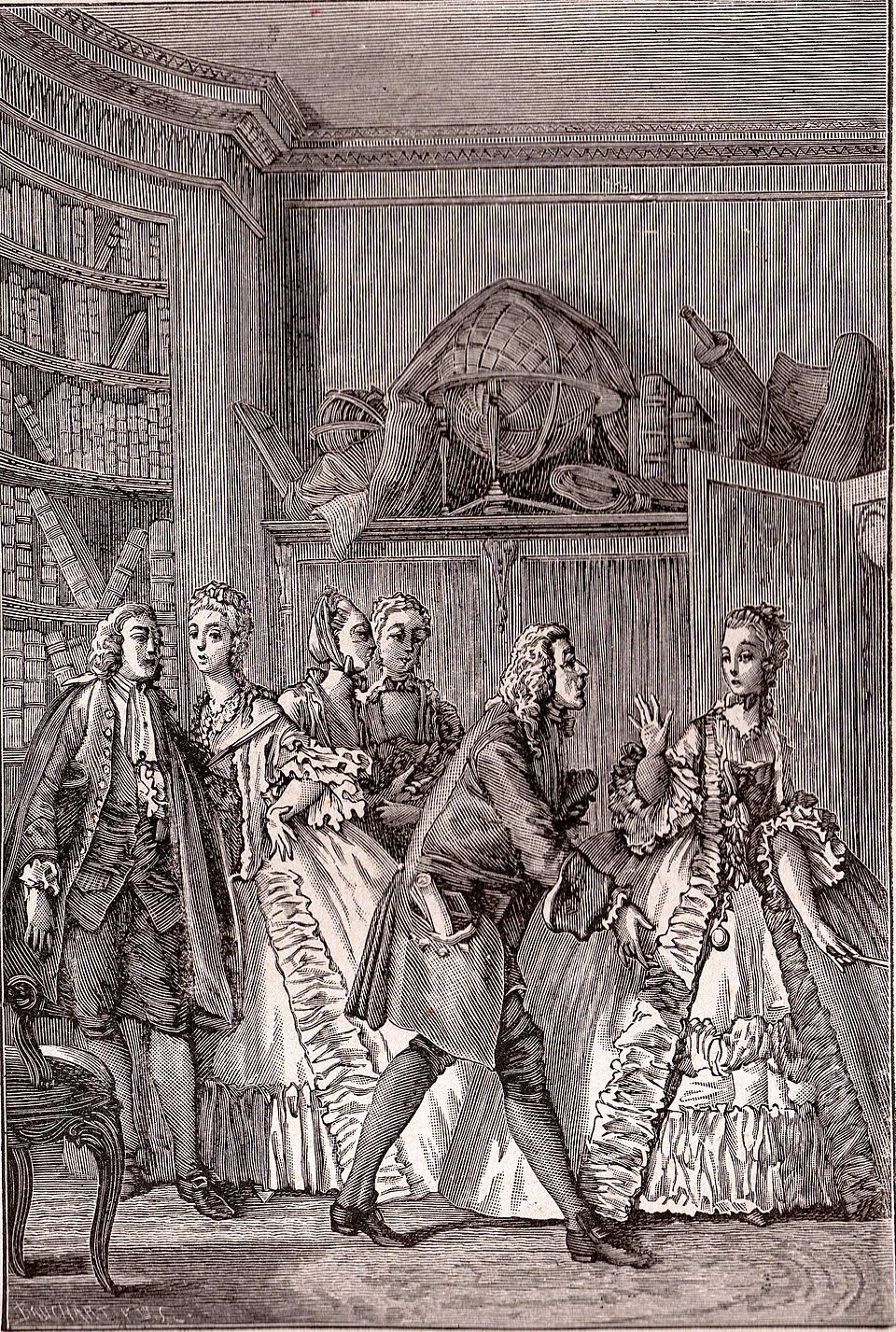
Les Femmes savantes (engraving by Moreau le jeune)
Comedies upend Norms
Part of what makes comedies funny is their upending of norms or expectations. In the highly stratified world of 17th century France, the world was full of rules. The monarchy was a rigid hierarchy, with the king as the head of state. The family was envisioned to follow suit, with the father serving as the unquestioned head of the household.
But extremes are what prompts comedy, and Molière excelled at observational satire. In The Learned Ladies, there is a conventional bourgeois family, though many of the characters’ behaviors and beliefs are taken to the extreme.
We see this humor in this inversion of norms pointedly in the tension of the leadership of the household, between father Chrysale and mother Philaminte. They disagree, strongly, on who their younger daughter Henriette should marry. However, contrary to expectations, Philaminte is the domineering parent who seems to have run of the house. She is so controlling that she not only runs a (bad facsimile of a) salon, but imagines herself to be building an academy. While salons were indeed often run by women, academies were solely the domain of educated men.
MIND–BODY DUalism
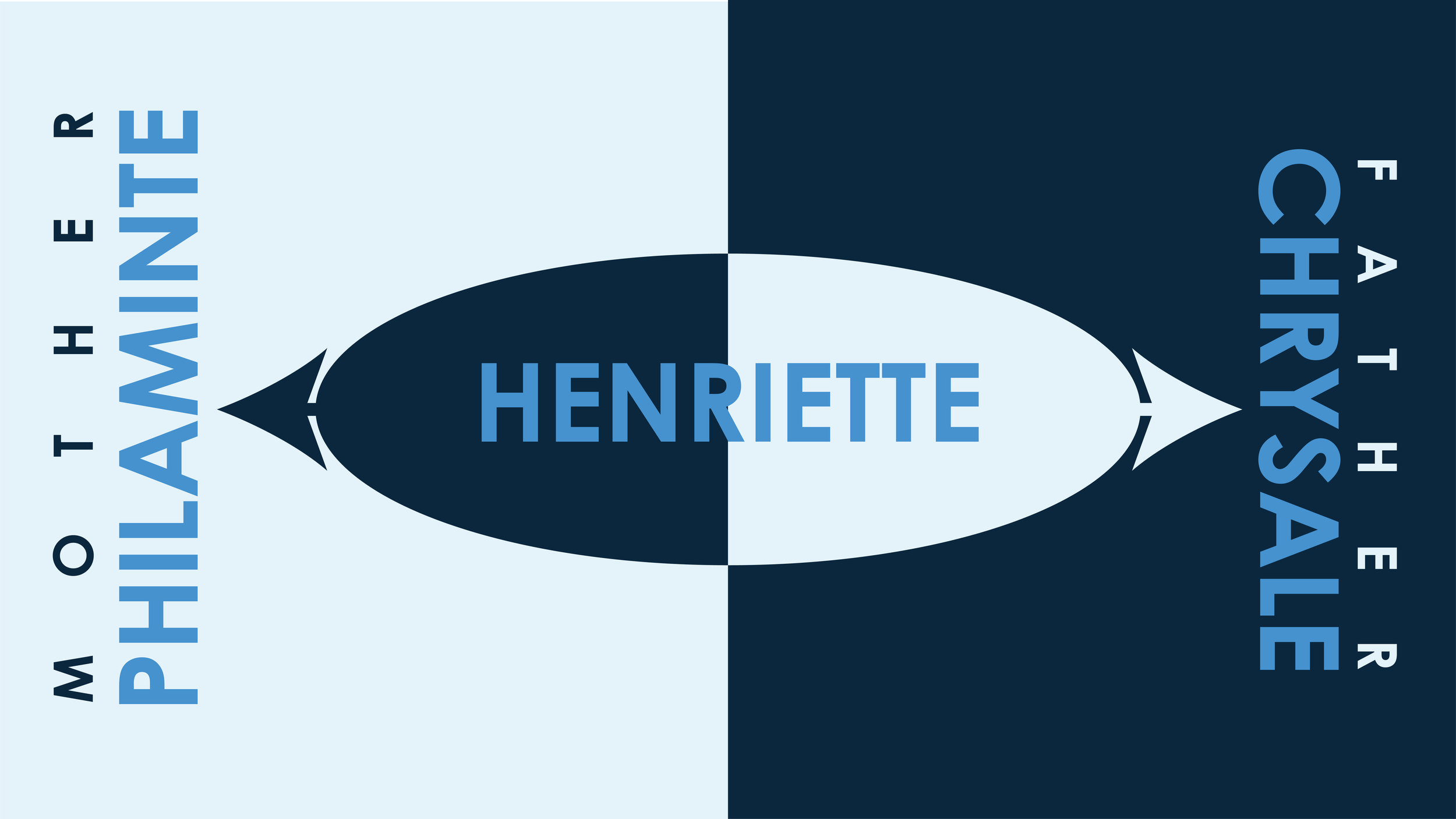
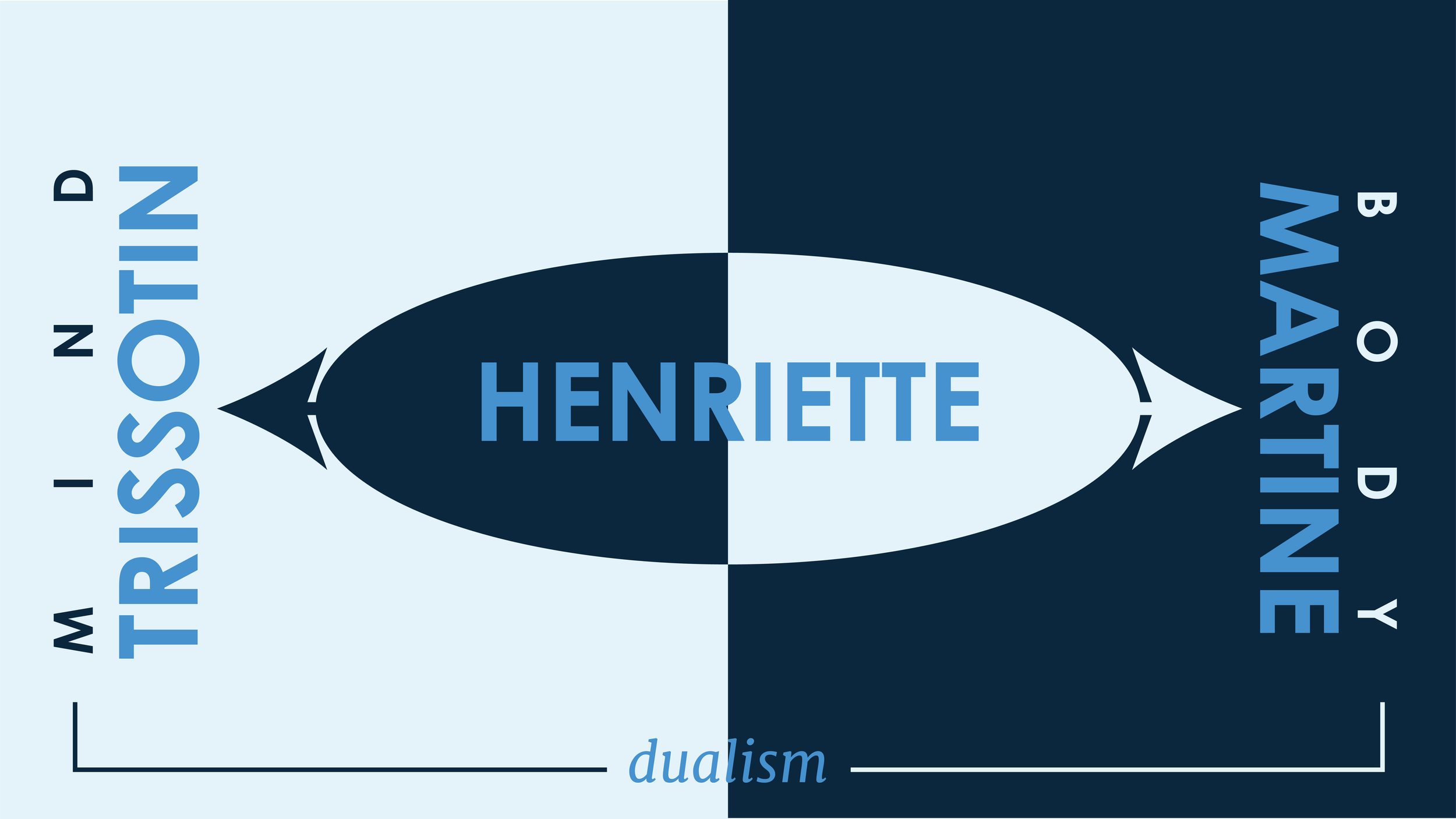
Moreover, Chrysale and Philaminte also represent the poles of mind–body dualism, often associated with French philosopher René Descartes, who was a contemporary of Molière. Chrysale is focused solely on the here and now, the visceral and pleasurable experience of being and living in a body, and is supported in his beliefs by the decidedly corporeal servant Martine. Philaminte, on the other hand, is enamored with all things intellectual and philosophical. She is well-read, referencing famous Greek scholars, and adores the contemporary poet, Trissotin. Irony emerges from the fact that Philaminte seems to actually understand very little of what she references, and has extremely poor aesthetic taste. We see Philaminte and Chrysale’s duality ripple out throughout the household with the divide amongst the servants and extended family members.
Laughter is Rational
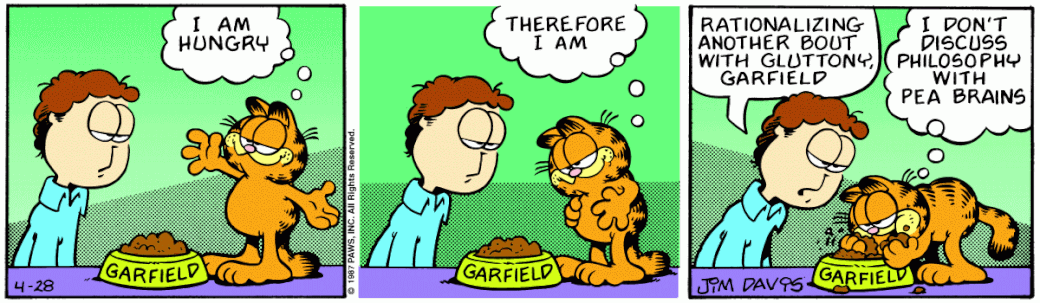
But perhaps the truest joy of Molière is that he manages to marry the two – his comedy is both intellectually witty and decidedly physical. There is undeniable sexual tension and longing from many female characters in the play, even as they claim to rise above such base physical desires. Molière then brings the audience in on his jokes by inviting us to laugh with him at all of these absurd characters. For him, laughter is rational when it exercises taste and judgment, and laughs at the ridiculous. As he put it so well, “[the function of comedy is] to correct men's vices… in my occupation I could do nothing better than attack the vices of my age by making them ridiculous." Afterall, no one likes a pretentious wannabe, in the 17th or 21st centuries.